Forage First: Why Hay & Pasture Are the Foundation of Equine Nutrition
January 26, 2026
Selecting the Right Forage for Your Horse
January 27, 20264 Simple Ways to Spot Quality Forage
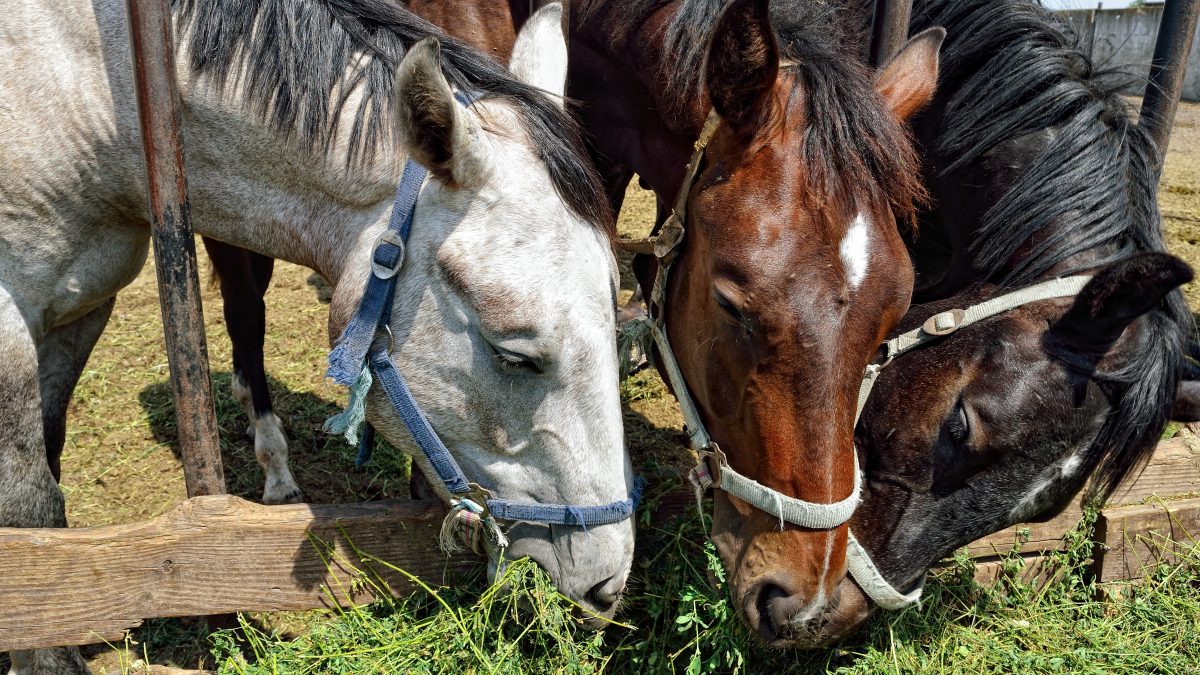
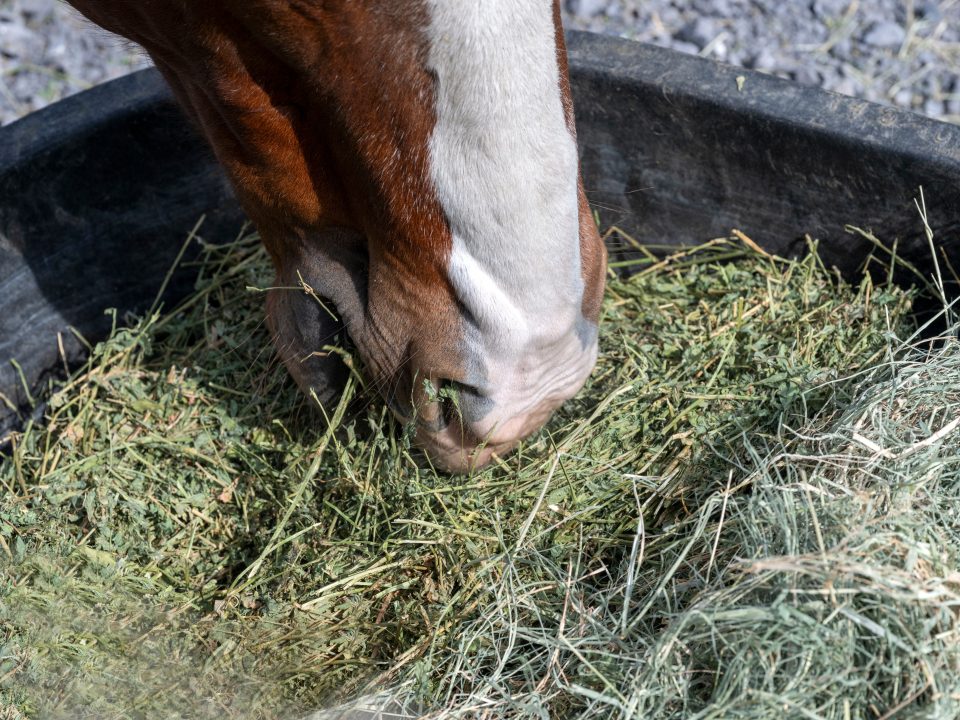
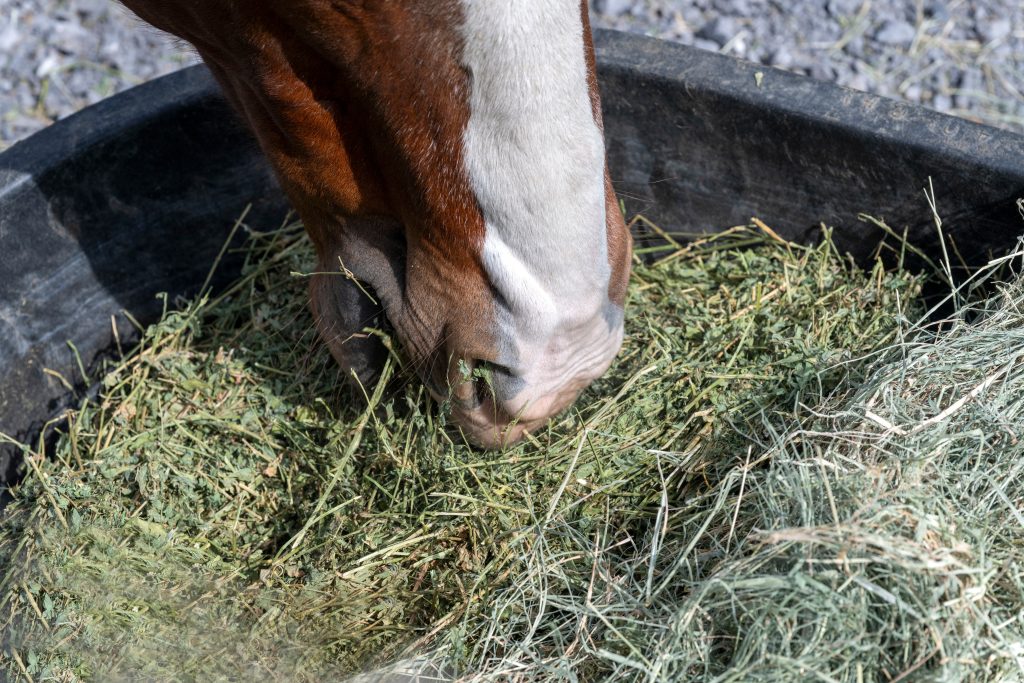
Forage plays one of the most important roles in your horse’s daily nutrition. Because hay and other forage products make up the majority of most equine diets, quality matters more than many horse owners realize.
Feeding forage that is dusty, moldy, or lacking in nutrients can lead to health concerns such as digestive upset, respiratory irritation, weight loss, or poor overall condition. That’s why knowing how to recognize good-quality forage is such an important part of horse care. Here are four easy ways to evaluate whether the forage you’re feeding is the best choice for your horse.
1. Look for a Fresh, Natural Color
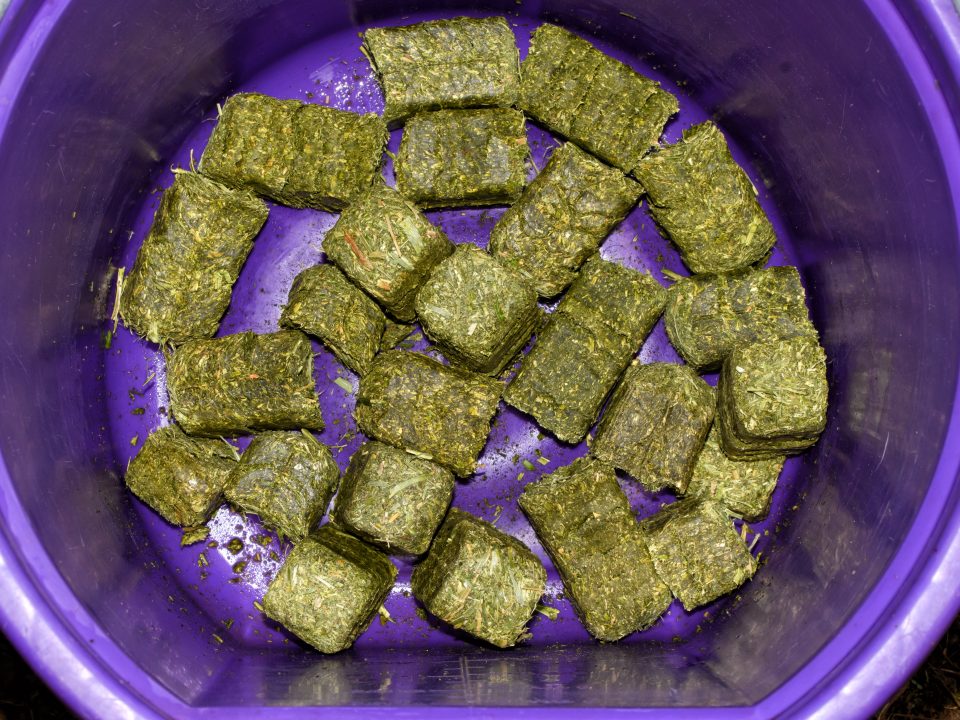
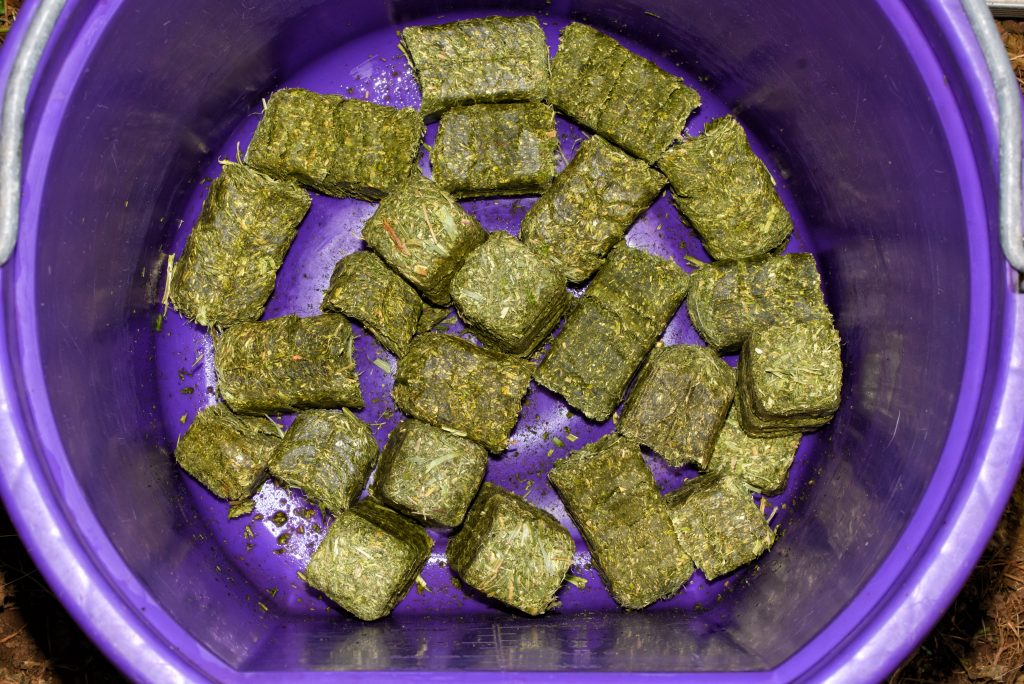
One of the first things you’ll notice about good forage is its appearance. High-quality hay is usually a rich green color, which signals it was properly harvested and stored. Forage that looks brown or yellow may have been weathered or sun-bleached, which can reduce important vitamin content. While color isn’t the only indicator of quality, it’s a helpful first clue.
2. Trust Your Nose
Good forage should smell clean, fresh, and pleasantly “hay-like.” If you notice odors that seem musty, dusty, or moldy, the forage may not be suitable to feed. Unpleasant smells can be a warning sign of mold or excess dust, both of which may irritate your horse’s lungs or contribute to more serious health risks.
3. Check the Leaf-to-Stem Balance
When it comes to nutrient value, the most nutritious parts of many forage plants are the leaves. In legumes like alfalfa, a higher-quality forage will typically have more leaves and fewer thick stems. Leaves contain more digestible nutrients, while coarse stems tend to be higher in fiber and lower in energy. A bale that feels overly stemmy may not provide the same nutritional benefit as one with a leafy texture.
4. Pay Attention to Plant Maturity
Forage changes as it grows. As grasses and legumes become taller and more mature, they develop more fiber to support the plant structure. While fiber is important, overly mature forage becomes less digestible and often lower in protein and energy. In grass hay, longer seed heads and tall blades often indicate a later harvest stage, which may mean reduced overall quality.
When in Doubt, Consider Forage Testing
While visual and smell checks are helpful, laboratory testing remains the most accurate way to understand what your forage truly provides.
A forage analysis can measure:
- Protein levels
- Calorie content
- Sugar and starch values
- Mineral composition
- Moisture levels
- Potential mold or toxin concerns
This information is especially valuable for growing horses, performance horses, or those with metabolic sensitivities.
Final Thoughts
At Country Companion, we believe peace of mind should come with every bag you feed. That’s why our forage products include guaranteed analysis right on the label—so you can feel confident your horse is getting consistent, quality nutrition with every serving.
Country Companion is committed to being your partner in building a strong nutritional foundation for your horse. Proudly made in the USA, our forage products are crafted with care to provide consistent, dependable nutrition. For high-quality feed and forage products, explore our options at Equine & Multi-Species Feed – Country Companion
.