4 Simple Ways to Spot Quality Forage
January 27, 2026
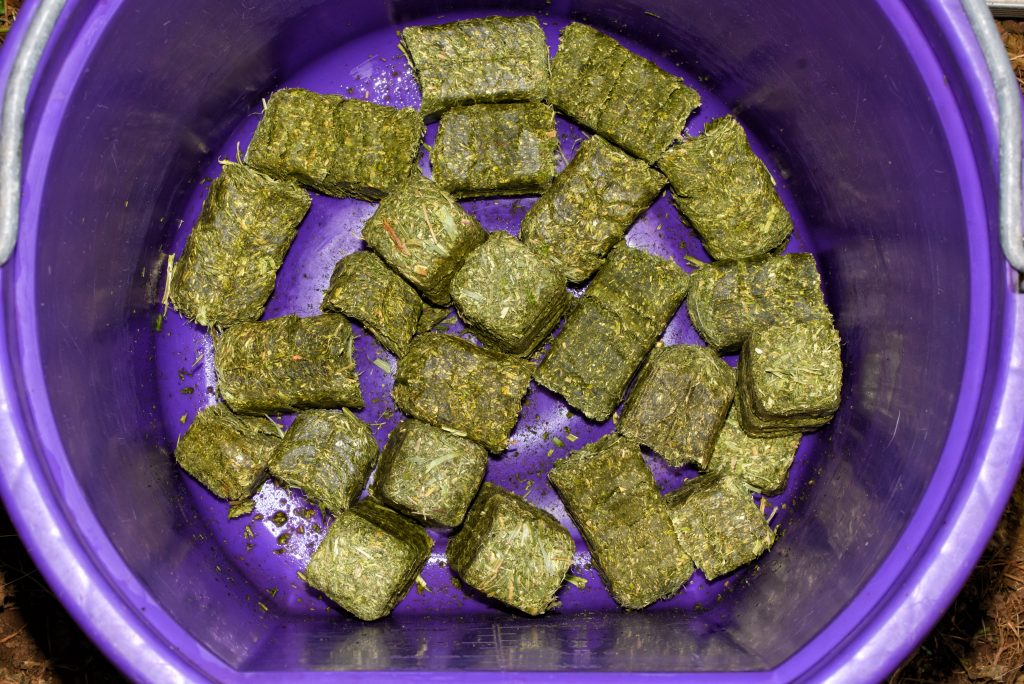
Choosing the Right Forage Format for Your Horses and Livestock
January 28, 2026Selecting the Right Forage for Your Horse
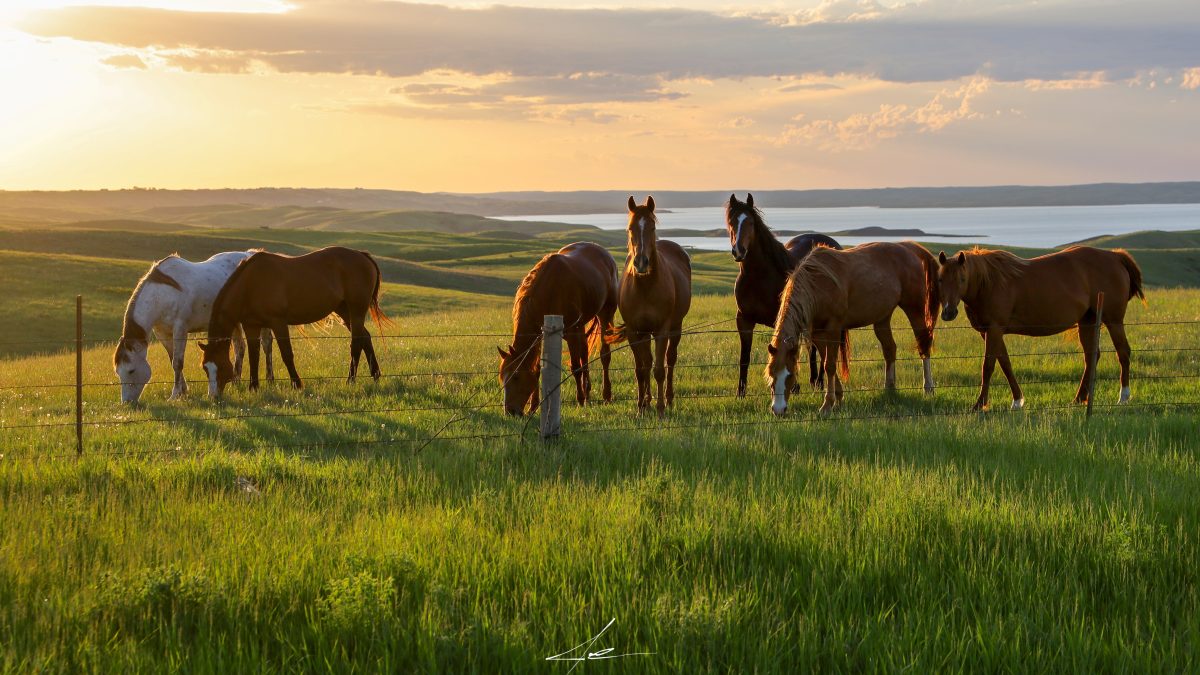
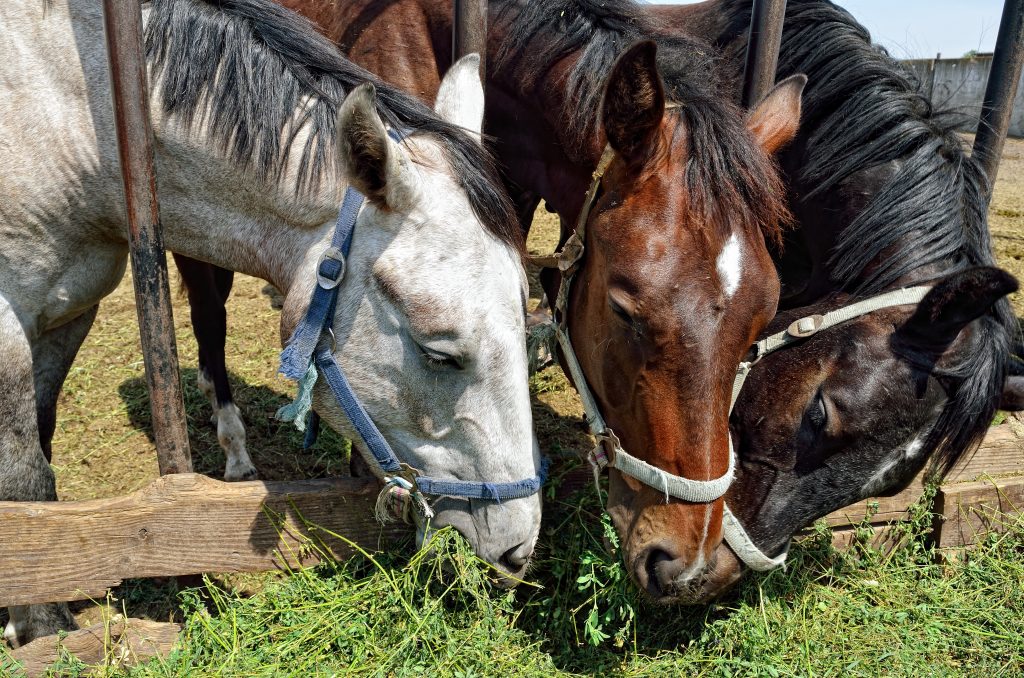
Forage is more than just one part of your horse’s diet—it’s the foundation of their daily nutrition. Whether your horse gets most of their forage from pasture, baled hay, hay cubes, or pellets, choosing the right option can make a real difference in their overall health, digestion, and long-term well-being.
Start with Quality Forage
Before you decide what type of forage to feed, make sure the forage you’re offering is clean, fresh, and safe. Lower-quality forage often contains fewer nutrients and can be harder for horses to digest. Even worse, forage that’s dusty or moldy can lead to problems like:
- Coughing or respiratory irritation
- Digestive upset
- Colic symptoms
The main factors that influence the quality of forage are the species of the plant, the stage of maturity, and the physical location where the plant was grown.
Not All Forage is Created Equal
1) Plant Type Matters:
- Legumes (like alfalfa) tend to be higher in protein, energy, and calcium
- Grasses (like timothy or orchard grass) are often lower in calories and protein and can be a better fit for easier keepers
2) Maturity Makes a Big Difference
As plants grow taller and more mature, they become more fibrous and less digestible. That extra fiber helps the plant stand upright, but it also means fewer nutrients per bite.
Due to the high fiber content of mature plants, they contain:
- less energy
- less protein
- fewer vitamins and minerals
This is one reason pastures often become less digestible in late summer and fall—plants mature quickly during those seasons.
3) Where It’s Grown Counts
Soil health affects plant health. Different regions have different mineral levels in the soil, and the forage grown there reflects that. If the soil is nutrient-deficient, the forage may be, too.
Determining Good Quality Forage
Before feeding, take a moment to look—and smell—your horse’s forage. Both can offer helpful clues about its overall quality.
A good-quality forage often has:
- More leaves than stems
- A shorter seed head
- A green, fresh appearance
- A clean smell with no dust or mold
If the forage looks dry, overly coarse, brown, or smells musty, it’s best to avoid feeding it to your horse.
Want the most accurate answer? Test it.
A laboratory forage analysis is the best way to know exactly what you’re feeding. With a proper sample, you can learn the forage’s:
- Calorie/energy content
- Protein level
- Sugar and starch levels
- Vitamin and mineral profile
- Potential mold concerns
This can be especially helpful if your horse has metabolic concerns or you’re trying to fine-tune performance nutrition.
Matching Forage to Your Horse’s Needs
The “best” forage isn’t the same for every horse—it depends on age, workload, body condition, and health.
Higher needs: growing, pregnant, or nursing horses
Horses that require more calories and protein often do well with nutrient-dense forage like:
- Alfalfa
- Clover
Lower needs: mature horses or easy keepers
For horses that maintain weight easily (or need to slim down), grass hay is often a better fit—especially when it’s more mature and naturally lower in calories, such as:
- Timothy
- Orchard grass
Moderate needs: performance and active horses
Horses in regular work often benefit from a balanced option that provides steady energy without being too rich. Mixed forage can be a great choice, including:
- Grass + legume blends
Special cases: horses needing low sugar/starch
Some conditions require extra care when selecting forage, including:
- PPID (Cushing’s Disease)
- Insulin Resistance
- Tying-Up Syndrome
In those cases, lower sugar/starch forage options may include:
- Teff grass
- Bermuda grass
- Alfalfa
Final Thoughts
No matter what type of forage fits your horse best, quality should always come first. Clean, digestible forage supports healthy lungs, a healthy gut, and a healthier horse overall.
Country Companion is committed to being your partner in building a strong nutritional foundation for your horse. Proudly made in the USA, our forage products are crafted with care to provide consistent, dependable nutrition. For high-quality feed and forage products, explore our options at Equine & Multi-Species Feed – Country Companion
.